
FORMAT : PRINT
Global inequality doesn’t just exist; it has been created.
More than four billion people—some 60 percent of humanity—live in debilitating poverty, on less than $5 per day. The standard narrative tells us this crisis is a natural phenomenon, having to do with things like climate and geography and culture. It tells us that all we have to do is give a bit of aid here and there to help poor countries up the development ladder. It insists that if poor countries would only adopt the right institutions and economic policies, they could overcome their disadvantages and join the ranks of the rich world.
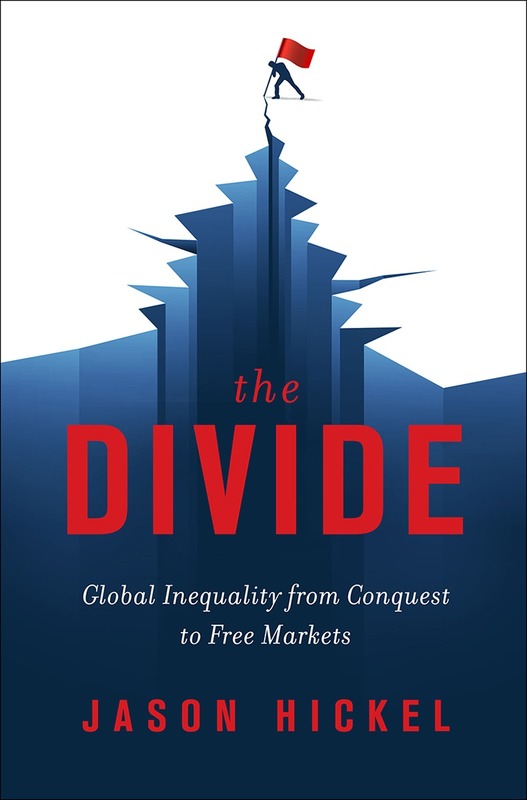
Anthropologist Jason Hickel argues that this story ignores the broader political forces at play. Global poverty—and the growing inequality between the rich countries of Europe and North America and the poor ones of Africa, Asia, and South America—has come about because the global economy has been designed over the course of five hundred years of conquest, colonialism, regime change, and globalization to favor the interests of the richest and most powerful nations. Global inequality is not natural or inevitable, and it is certainly not accidental. To close the divide, Hickel proposes dramatic action rooted in real justice: abolishing debt burdens in the global South, democratizing the institutions of global governance, and rolling out an international minimum wage, among many other vital steps. Only then will we have a chance at a world where all begin on more equal footing.,
More than four billion people—some 60 percent of humanity—live in debilitating poverty, on less than $5 per day. The standard narrative tells us this crisis is a natural phenomenon, having to do with things like climate and geography and culture. It tells us that all we have to do is give a bit of aid here and there to help poor countries up the development ladder. It insists that if poor countries would only adopt the right institutions and economic policies, they could overcome their disadvantages and join the ranks of the rich world.
Anthropologist Jason Hickel argues that this story ignores the broader political forces at play. Global poverty—and the growing inequality between the rich countries of Europe and North America and the poor ones of Africa, Asia, and South America—has come about because the global economy has been designed over the course of five hundred years of conquest, colonialism, regime change, and globalization to favor the interests of the richest and most powerful nations. Global inequality is not natural or inevitable, and it is certainly not accidental. To close the divide, Hickel proposes dramatic action rooted in real justice: abolishing debt burdens in the global South, democratizing the institutions of global governance, and rolling out an international minimum wage, among many other vital steps. Only then will we have a chance at a world where all begin on more equal footing.